
© 2010 - 2026 Vossen & Co S.A./N.V. All rights reserved.
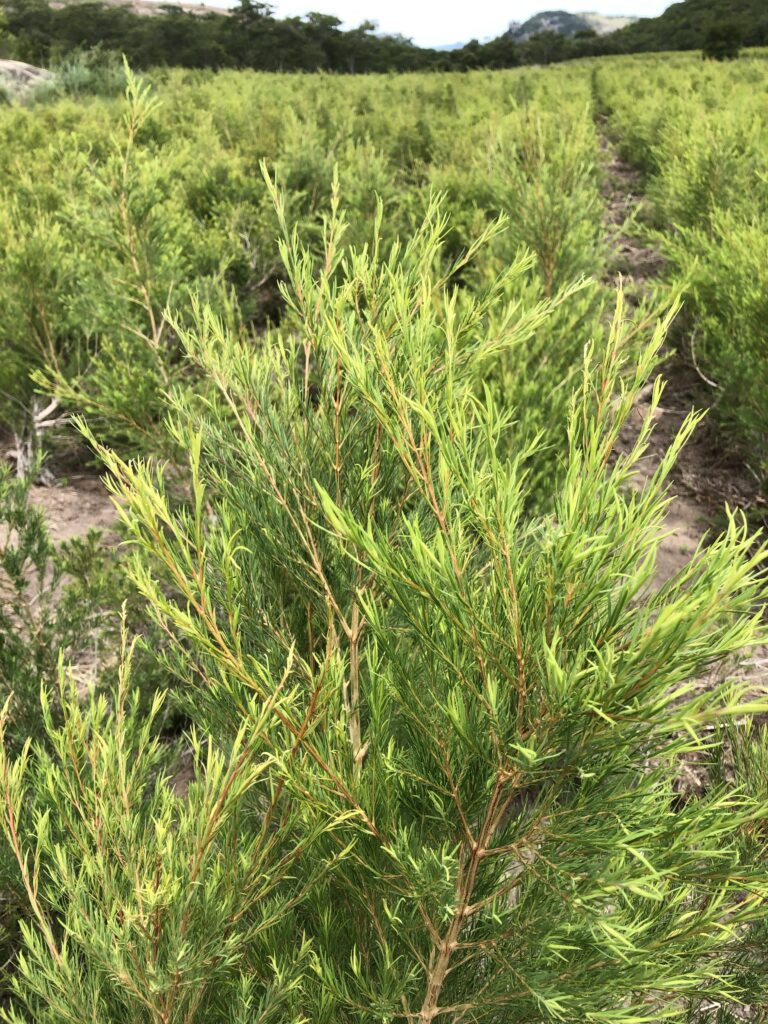
For us, choosing organic isn’t a trend but a commitment. 99% of our essential oils and vegetable oils are certified organic.
Organic farming restores soil health, stores carbon, and reduces emissions by avoiding synthetic pesticides and fertilizers.
As a result it strengthens ecosystems and supports biodiversity while protecting water sources from chemical runoff.
It also makes our supply chains more resilient. Organic soils retain more water, which helps farmers grow stronger harvests, even during droughts, without compromising the land for future generations.
And perhaps most importantly: organic means transparency.
Every oil we produce is traceable from the raw material grown on the farm to the oil delivered to your warehouse.
At Vossen & Co, we choose to work as close to the source as possible, not only for traceability and quality, but because local partnerships create deeper value.
By transforming raw materials into oils locally, we reduce transport emissions and strengthen local economies.
Working directly with growers and producers also allows us to build long-term relationships based on trust, transparency, and fair pricing.
It supports skilled jobs, encourages investment in sustainable farming and processing, and keeps more of the economic value where raw materials originate.
Working locally also means more control over quality. From field to bottle, we can trace each ingredient and ensure it meets your standards